


Table of Contents
The Urgent Need for Sustainable HVAC Solutions
As the world grapples with the urgent threat of climate change, achieving net-zero emissions by 2050 has become a global imperative. The HVAC industry plays a critical role in this transition, as heating and cooling systems account for a significant portion of energy consumption and greenhouse gas emissions.
Key Role of HVAC in Net-Zero Goals
- Reducing Energy Consumption: Efficient HVAC systems can significantly reduce energy consumption, leading to lower greenhouse gas emissions.
- Electrification: Transitioning to electric heat pumps can reduce reliance on fossil fuels and contribute to a cleaner energy grid.
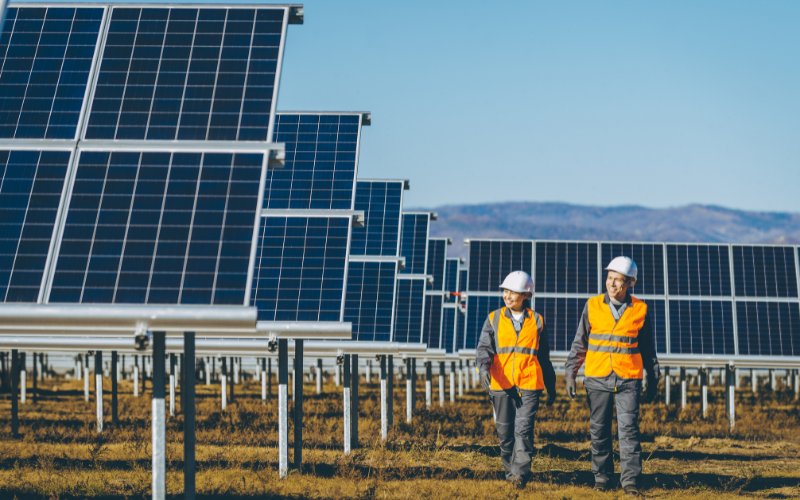
- Renewable Energy Integration: HVAC systems can be integrated with renewable energy sources, such as solar and wind power, to further reduce carbon emissions.
- Smart Controls: Implementing smart controls and automation can optimize HVAC performance and minimize energy waste.
- Building Envelope Efficiency: Improving building envelope efficiency (insulation, air sealing) can reduce the overall heating and cooling load, reducing energy consumption.
Challenges and Opportunities
Achieving net-zero emissions in the HVAC sector presents significant challenges, including:
- High upfront costs: Installing new, energy-efficient HVAC systems can be costly.
- Policy and regulatory barriers: Government policies and regulations may need to be updated to support the transition to low-carbon HVAC systems.
- Technological advancements: Continued research and development are needed to improve the efficiency and affordability of HVAC technologies.
However, the potential benefits of transitioning to net-zero HVAC systems are substantial. By reducing energy consumption and greenhouse gas emissions, we can mitigate the impacts of climate change and create a more sustainable future.
Know More About sustainable HVAC :
- What is sustainable HVAC?
- Sustainable HVAC refers to heating, ventilation, and air conditioning systems that are designed to minimize energy consumption and environmental impact.
- Why is sustainable HVAC important?
- Sustainable HVAC helps reduce greenhouse gas emissions, conserve energy, and create a more environmentally friendly built environment.
- What are the key components of a sustainable HVAC system?
- Sustainable HVAC systems typically include energy-efficient equipment, smart controls, renewable energy integration, and building envelope improvements.
- What are the benefits of sustainable HVAC?
- Sustainable HVAC can reduce energy costs, improve indoor air quality, and contribute to a more sustainable future.
- How does sustainable HVAC differ from traditional HVAC?
- Sustainable HVAC systems prioritize energy efficiency, renewable energy integration, and reduced environmental impact compared to traditional systems.
Energy Efficiency
- What are some examples of energy-efficient HVAC equipment?
- Examples include variable-speed drives, high-efficiency heat pumps, and advanced air filters.
- How can I improve the energy efficiency of my existing HVAC system?
- Regular maintenance, upgrades to equipment, and optimization of system settings can enhance energy efficiency.
- What is the role of building automation systems (BAS) in sustainable HVAC?
- BAS can optimize HVAC performance, reduce energy consumption, and improve overall building efficiency.
- How can I measure the energy efficiency of my HVAC system?
- Energy audits and monitoring tools can help assess the energy performance of your HVAC system.
- What are some incentives for upgrading to sustainable HVAC systems?
- Government incentives, tax credits, and rebates may be available to encourage the adoption of sustainable HVAC technologies.
Renewable Energy Integration
- How can HVAC systems be integrated with renewable energy sources?
- HVAC systems can be powered by solar, wind, or other renewable energy sources.
- What are the benefits of integrating HVAC with renewable energy?
- Integration can reduce reliance on fossil fuels, lower energy costs, and reduce carbon emissions.
- What are the challenges of integrating HVAC with renewable energy?
- Challenges may include grid limitations, energy storage requirements, and system complexity.
- What is a geothermal heat pump and how does it work?
- Geothermal heat pumps use the earth’s constant temperature to provide heating and cooling.
- Can HVAC systems be powered entirely by renewable energy?
- While it may be challenging to achieve 100% renewable energy for HVAC, significant progress can be made through integration and optimization.
Indoor Air Quality
- How does HVAC impact indoor air quality?
- Proper HVAC design and maintenance can improve indoor air quality by removing pollutants and ensuring adequate ventilation.
- What are some common indoor air pollutants that HVAC systems can help address?
- Common pollutants include dust, pollen, mold, and volatile organic compounds (VOCs).
- How can HVAC systems be designed to improve ventilation and reduce indoor air pollutants?
- Proper ventilation rates, air filtration systems, and humidity control can help enhance indoor air quality.
- What are the health benefits of improved indoor air quality?
- Improved indoor air quality can reduce the risk of respiratory problems, allergies, and other health issues.
- How can I ensure that my HVAC system is maintaining good indoor air quality?
- Regular maintenance, filter replacements, and professional inspections can help maintain optimal indoor air quality.
ThermOmegaTech Introduces Innovative Thermal Bypass Valve with Pressure Relief


